Why is the ocean salty?
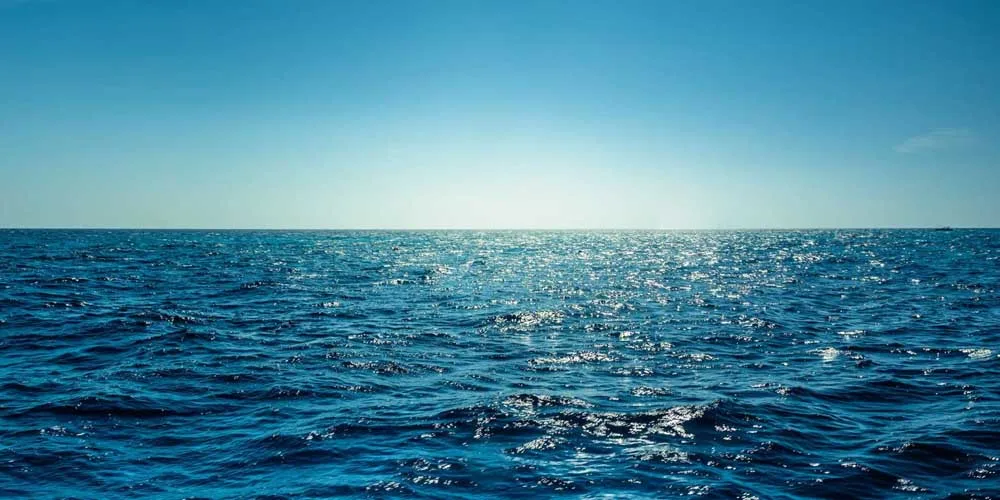
The ocean is salty because of two main processes: rocks on land and underwater volcanic activity. Rainwater, slightly acidic, erodes rocks and carries dissolved minerals, including salts, to rivers, which then transport them to the ocean. Additionally, hydrothermal vents on the seafloor release dissolved minerals directly into the water. These minerals build up in the ocean over millions of years because, unlike freshwater, salt does not get evaporated into the atmosphere.
Acidic rain:
Rain absorbs carbon dioxide from the atmosphere, making it slightly acidic.
Rock erosion:
This acidic rain falls on land and physically erodes rocks, causing them to break down. The acids chemically break down the rocks, releasing mineral ions, including salt, into the water.
River transport:
These mineral-rich waters are carried by runoff into streams and rivers, which flow into the ocean, bringing the dissolved salts with them.
How underwater activity contributes to ocean saltiness
Hydrothermal vents: These are openings in the seafloor where hot, mineral-rich water escapes from the Earth’s crust.
Mineral release: The water reacts with the hot rocks as it passes through, dissolving minerals and salts before spewing back into the ocean.
Why rivers are not salty but the ocean is:
Rivers are constantly replenished with freshwater from rain, so the salts are diluted.
In the ocean, freshwater evaporates, but the salt is left behind, increasing its concentration over time.
Marine organisms use some of the ions, but the salts that aren’t used are left behind and accumulate.