What is inflation?
Inflation is the rate at which the general price level of goods and services increases, causing the purchasing power of money to decrease. This means that over time, it takes more money to buy the same amount of goods and services. Inflation is measured as the percentage increase in prices for a basket of goods over a specific period, such as one year.
Decreased purchasing power:
As prices rise, each unit of currency buys fewer goods and services. For example, if inflation is 3%, a loaf of bread that cost \(\$1\) last year would cost \(\$1.03\) this year.
Measure of price increases:
Inflation is a broad measure that reflects the average increase in prices across many different items in an economy, not just one or two products.
Opposite of deflation:
The opposite of inflation is deflation, which occurs when the general price level falls and the purchasing power of money increases.
Measured by a price index:
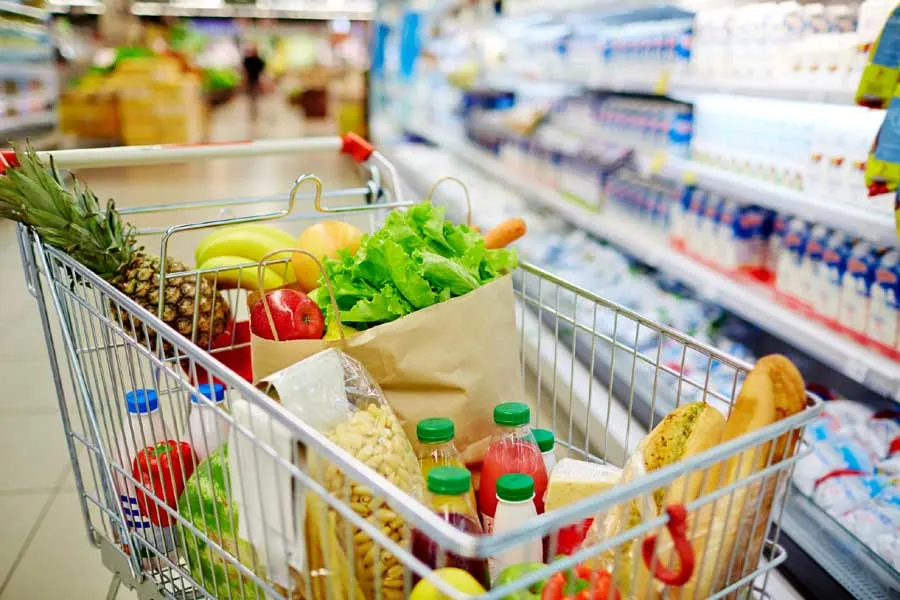
The most common way to measure inflation is by using a price index, such as the Consumer Price Index (CPI), which tracks the price changes of a representative “basket” of consumer goods and services.