What is climate change?
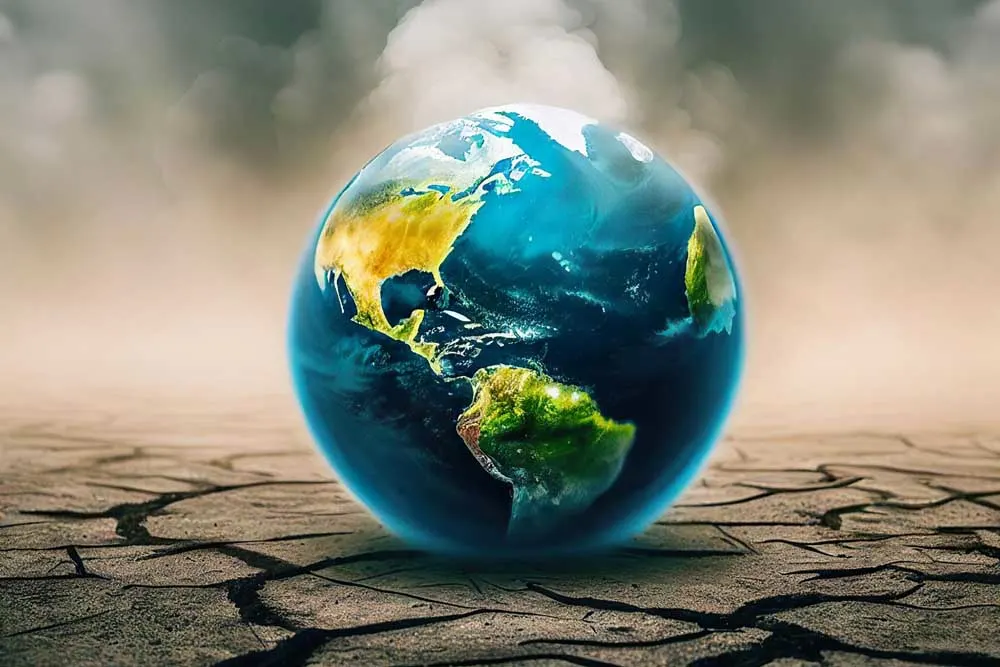
Climate change is the long-term shift in Earth’s average weather patterns and temperatures, primarily driven by human activities like burning fossil fuels. This human-caused change is causing the planet to warm rapidly, leading to effects like more extreme weather, melting glaciers, and rising sea levels. While natural factors can cause climate shifts, the current changes are happening at an unprecedented rate due to human-generated greenhouse gases
Long-term shift: Climate change refers to significant, long-term changes in average weather conditions, such as temperature and rainfall, over decades or longer.
Human-driven: Since the 1800s, the main driver of climate change has been human activity, primarily through the burning of fossil fuels like coal, oil, and gas.
Greenhouse effect: Burning fossil fuels releases greenhouse gases, like carbon dioxide and methane, into the atmosphere. These gases trap heat, creating a “blanket” effect that warms the planet.
What are the effects of climate change?
Rising temperatures: The average global temperature is increasing, leading to warming of the planet.
Extreme weather: Climate change is causing more frequent and intense extreme weather events.
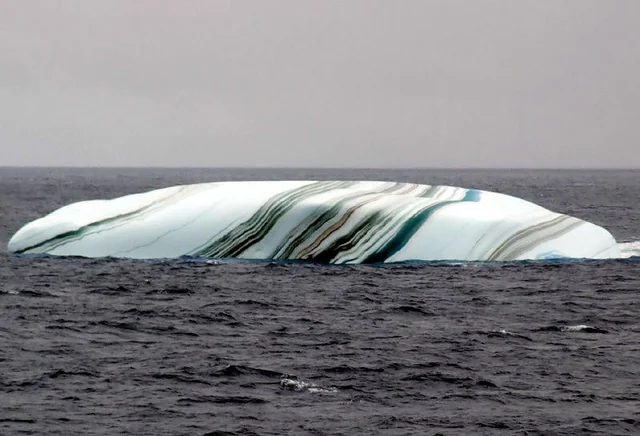
Melting ice: This includes the rapid melting of glaciers and ice sheets, and shrinking Arctic sea-ice.
Warming oceans: The oceans are absorbing more heat.
Rising sea levels: As the planet warms and ice melts, sea levels are rising.
How does it differ from weather?
Weather vs. Climate: Weather is the daily or weekly condition of the atmosphere, while climate is the long-term statistical average of weather patterns in a region. Climate change is the shift in these long-term patterns.